Tenant Liability Insurance: What It Is, How It Works, and Why It’s Recommended for Renters
Insurance can feel confusing—especially when you’re renting and trying to figure out what coverage actually applies to you. Many renters assume they’re fully protected, only to discover gaps when an unexpected situation occurs.
The good news is that insurance doesn’t have to be complicated. One type of coverage you may come across during your leasing process is Tenant Liability Insurance. While it’s not required, it is often recommended because it addresses a specific risk that renters don’t always consider.
Knowing how it works—and how it differs from other policies—can help you make more confident, informed decisions about your rental experience.
What Is Tenant Liability Insurance?

Tenant Liability Insurance is designed to help protect you financially if you are responsible for damage to the rental property or if someone is injured while visiting your home.
This type of coverage is centered around accountability. If an incident occurs and you are found responsible, it may help cover the associated costs.
This can include:
- Accidental damage to the rental property
- Damage that affects other units in the building
- Injury-related costs if a guest is hurt in your home and you are responsible
Even everyday situations can lead to unexpected outcomes. When they do, the financial responsibility may fall on the tenant—making this type of protection particularly relevant.
Why Responsibility Matters in a Rental
Renting a home comes with more than just monthly payments. It also involves responsibility for how the space is used throughout the lease.
If damage occurs or someone is injured, the outcome often depends on the circumstances. In certain situations, responsibility may be assigned to the tenant, especially when the issue originates within the unit or involves a guest.
When that happens, the costs tied to repairs or injuries don’t simply disappear—they may need to be covered by the person found responsible. Tenant Liability Insurance is designed to help in those specific scenarios.
Tenant Liability Insurance vs. Renters Insurance
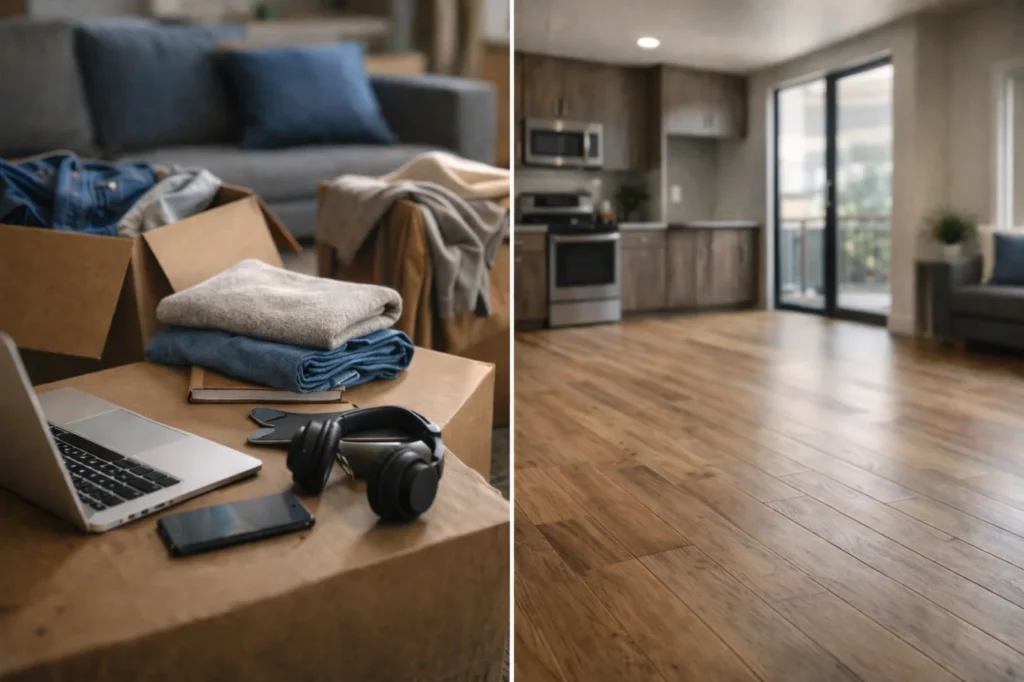
It’s common to confuse Tenant Liability Insurance with renters insurance, but they serve different purposes.
Renters Insurance
- Protects personal belongings such as furniture, electronics, and clothing
- Includes personal liability coverage for certain situations
Tenant Liability Insurance
- Focuses on protecting the landlord’s property
- Covers damage caused by the tenant
A simple way to think about it:
- Renters insurance protects what you own
- Tenant liability insurance helps cover damage you may cause to the property
Both types of coverage address different risks, which is why they are often discussed separately during the leasing process.
Real-Life Situations Where It Can Apply

Accidents can happen in any home—even when you’re careful.
Some common examples include:
- A water leak that damages another unit
- A guest who is injured while visiting your home
These situations can develop quickly and may involve repair costs or medical expenses. If you are found responsible, tenant liability insurance may help cover those costs.
Is Tenant Liability Insurance Required?
Tenant Liability Insurance is recommended, but not required.
That means:
- You are not obligated to purchase it
- You can review available options during your leasing process
- You can decide whether it fits your needs
Property managers often recommend it because it helps reduce potential financial risk, but the decision ultimately remains yours.
What Happens If You Don’t Have Coverage?

If an incident occurs and you are found responsible, the financial impact may fall entirely on you.
This can include:
- Property repair costs
- Damage affecting other units
- Medical expenses related to injuries
These situations are often unexpected, which is why many renters choose to explore liability coverage as a precaution.
When You’ll See Insurance Options
Insurance options are often presented during the leasing or onboarding process, sometimes through platforms like Rentvine.
These options are typically:
- Straightforward
- Transparent
- Easy to review
They are offered as optional choices, allowing you to evaluate coverage without pressure while setting up your lease.
How to Decide If It’s Right for You
Choosing whether to carry tenant liability coverage comes down to your individual situation and comfort level.
You may want to consider:
- Whether you could comfortably cover unexpected repair costs
- Whether your unit is part of a multi-unit property
- How often you have guests in your home
This isn’t about expecting something to go wrong—it’s about being prepared if it does.
Your Choice, Your Peace of Mind
You are always in control of your decision.
You can:
- Review coverage details carefully
- Compare available options
- Choose what aligns with your needs
Having access to clear information allows you to make a decision with confidence rather than uncertainty.
Stay Informed, Stay Protected

Tenant Liability Insurance is a practical way to protect yourself from unexpected costs tied to property damage or injuries within your rental home.
While it’s not required, it is recommended because it addresses situations where tenants may be financially responsible—something that isn’t always obvious at first.
Insurance doesn’t have to be confusing. With a clear understanding of your options, you can approach renting with greater confidence and peace of mind.
If you have questions about tenant insurance, leasing, or your coverage options, the team at MyKC.rentals is here to help.
Your choice. Your peace of mind. Stay informed. Stay protected.