Move-Out Without Surprises: What Property Owners Should Know
For many property owners, move-out is where uncertainty begins. Questions about damages, deposits, repairs, and resident accountability can quickly become stressful if the process is unclear or poorly documented. Even when a tenancy has gone smoothly, the final transition can create frustration if expectations are not handled consistently.
That is why having a structured move-out process matters. Clear inspections, proper documentation, and transparent communication help reduce confusion while protecting both the resident and the property owner. When handled professionally, move-outs become far more manageable, defensible, and predictable for everyone involved. At MyKC.rentals, the move-out process is designed to create clarity from start to finish. Here is how the process works, why it matters for owners, and how proper documentation helps protect your investment property during turnover.
What Happens After a Resident Moves Out?
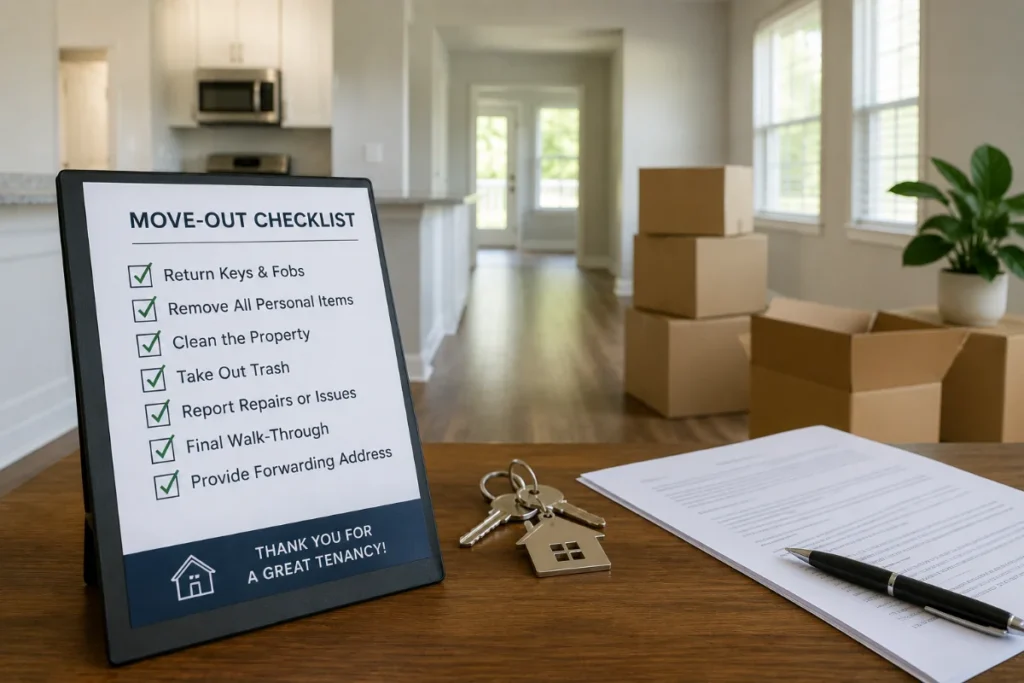
The move-out process officially begins once the resident has fully vacated the property and returned possession. At that point, the home can be inspected thoroughly without furniture, personal belongings, or ongoing activity affecting the review.
This is an important distinction. Inspections are completed after move-out rather than during an informal walkthrough with the resident. Reviewing the property once it is empty allows for a more accurate evaluation of its overall condition and helps ensure documentation remains consistent across all properties.
Once the inspection is completed, several steps follow:
- A detailed inspection report is prepared
- Findings are documented and reviewed
- A move-out calculation letter is created
- Documentation is sent to the resident electronically
Charges are evaluated according to the terms outlined in the resident’s lease agreement, helping maintain consistency and transparency throughout the move-out process.
Many of the most common move-out issues can also be reduced when residents properly prepare the property before vacating, particularly when expectations surrounding cleaning, keys, utilities, and final possession are addressed ahead of time during the move-out preparation process.
For owners, that structure matters. Thorough documentation helps support repair decisions, reduces misunderstandings, and creates a more organized turnover process before the next resident moves in.
How Damages and Deposits Are Handled
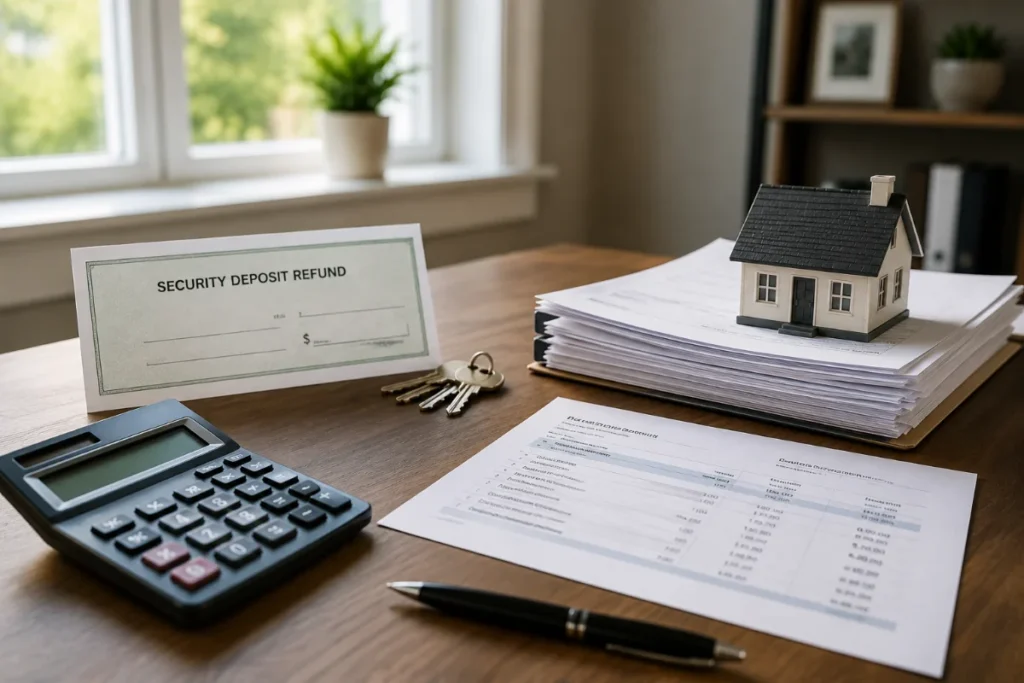
Security deposits are often one of the most sensitive parts of any move-out process. Owners want reassurance that legitimate damages will be addressed properly, while residents want transparency regarding how deductions are determined.
A structured process helps create fairness on both sides.
If tenant-related damage is identified during the inspection, it is clearly documented and itemized rather than applied arbitrarily. Charges are evaluated according to the lease addendum and the actual condition of the property after move-out.
The process generally includes:
- Identifying tenant-related damages
- Documenting findings through inspection records
- Applying charges according to lease terms
- Deducting eligible costs from the security deposit
- Returning any remaining balance electronically once finalized
According to TransUnion SmartMove, security deposit disputes remain one of the most common areas of disagreement between landlords and residents. That is one reason detailed documentation and itemized reporting are so important throughout the move-out process.
This level of documentation helps reduce confusion while providing a clearer explanation of how final calculations were determined.
For owners, consistency is key. Having the same process applied across all move-outs helps create more reliable turnover management and better accountability throughout the property management process.
Wear and Tear vs. Tenant Damage: Why the Difference Matters
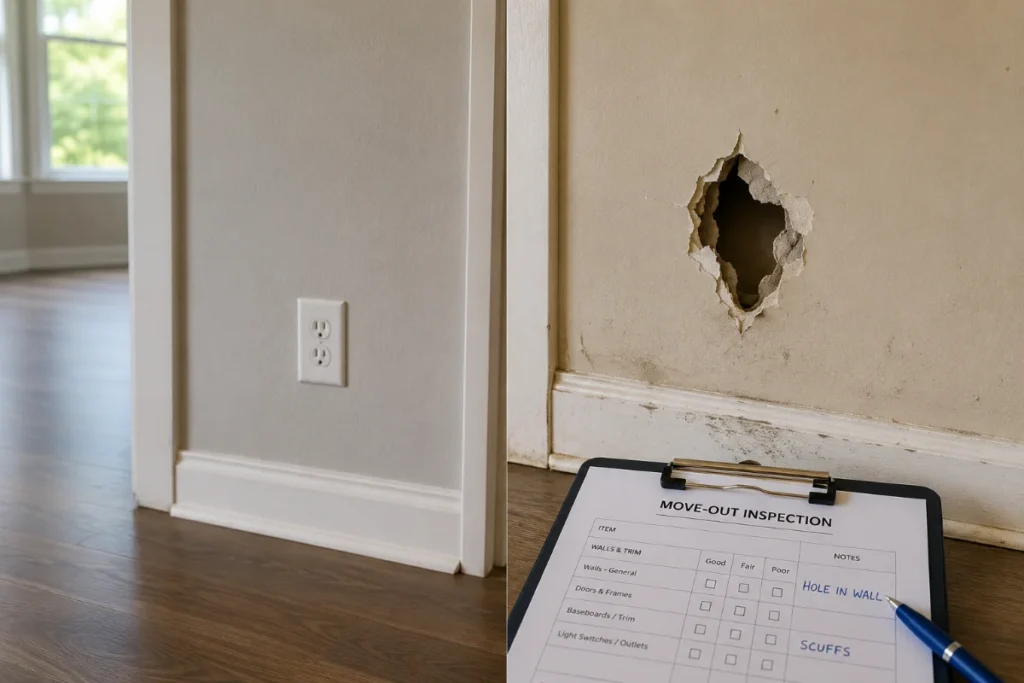
One of the most common sources of confusion during move-out is the difference between normal wear and tear and tenant-related damage. While the distinction may sound straightforward, it can become complicated without proper documentation and consistent standards.
Normal wear and tear refers to the natural deterioration that happens over time through ordinary use of the property. This can include things like:
- Minor carpet wear from everyday foot traffic
- Fading paint over time
- Small scuffs from normal living
- Loose hardware from routine use
Tenant-related damage goes beyond normal use and typically involves neglect, misuse, or avoidable destruction. Examples may include:
- Large holes in walls
- Broken fixtures caused by misuse
- Significant flooring damage
- Missing appliances or fixtures
- Excessive stains requiring replacement
Keeping that distinction clear helps make the move-out process more consistent and defensible for everyone involved.
This is also where the original move-in evaluation becomes especially important, since documenting the condition of the property before occupancy creates a clearer baseline for comparing the condition at move-out.
For owners, accurate documentation at both move-in and move-out helps reduce ambiguity while protecting the long-term condition of the property.
Why Clear Documentation Matters
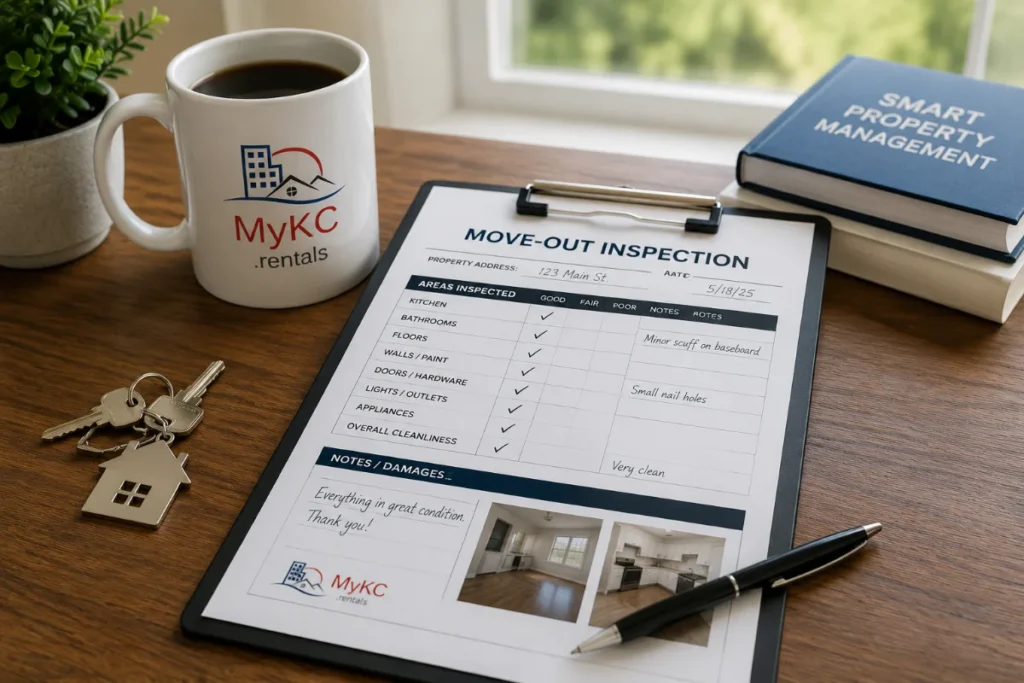
Move-outs tend to become far more stressful when documentation is incomplete or inconsistent. Questions about damages, timelines, or deposit deductions can quickly escalate if records are unclear.
That is why professional documentation plays such an important role throughout the process.
Detailed inspection records help:
- Create transparency during turnover
- Support repair decisions with documentation
- Reduce misunderstandings regarding charges
- Improve communication between all parties
- Keep turnover timelines more organized
Industry estimates from Buildium show that resident turnover can cost property owners thousands of dollars once cleaning, repairs, maintenance, vacancy time, and leasing costs are factored in. Having a structured move-out process helps reduce unnecessary delays and improve turnover efficiency.
For owners, this creates a more predictable and manageable process between residents. Proper documentation also helps ensure the property is prepared efficiently for future leasing while maintaining accountability throughout the transition.
Ultimately, a structured move-out process is not simply about deposit deductions. It is about protecting the property, maintaining consistency, and reducing avoidable disputes before they become larger problems.
Optional Protection for Residents
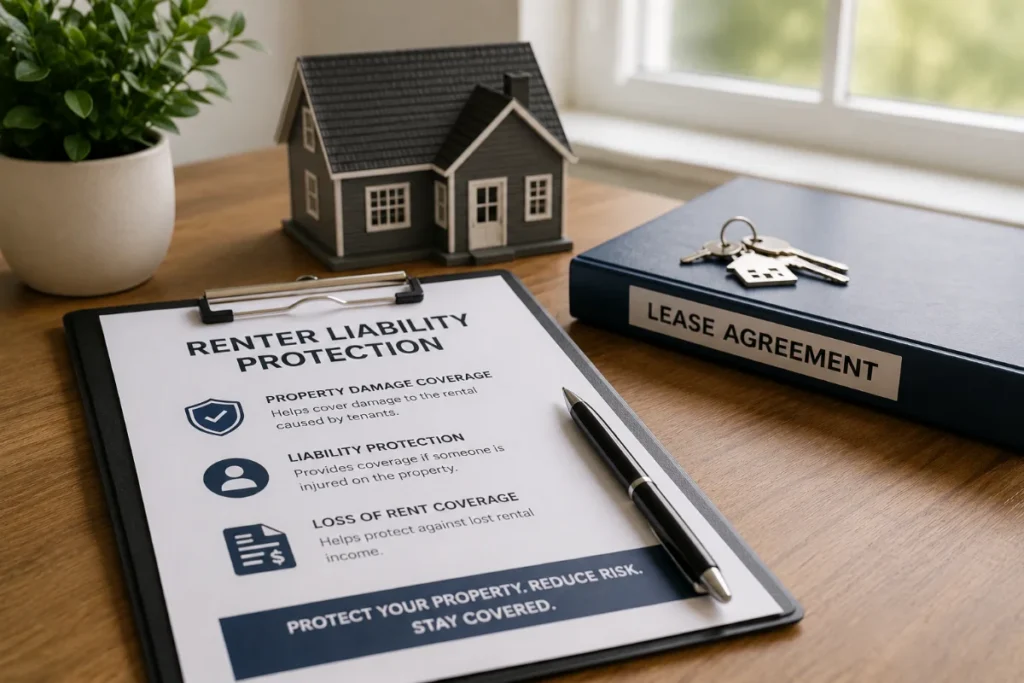
Unexpected damage costs can sometimes create financial challenges for residents, particularly when repairs extend beyond the security deposit amount. Because accidental damage can sometimes extend beyond the security deposit amount, some residents choose additional protection through tenant liability insurance to help reduce unexpected out-of-pocket costs.
Tenant liability coverage is not required, but it may help residents in situations involving accidental tenant-related damage. Some residents choose this type of protection for additional peace of mind throughout their lease term.
For residents interested in available options through Rentvine, coverage may include:
- TLL Only: $12.95 per month
- TLL with Contents Coverage: $16.95 per month
Some residents also choose to carry renters insurance for additional protection involving personal belongings and liability coverage.
While MyKC.rentals does not recommend specific insurance providers, understanding available coverage options can help residents better prepare for unexpected situations involving tenant-related damages.
For owners, residents with additional liability protection may also help reduce complications when accidental damages occur.
A Structured Move-Out Process Protects Everyone Involved
Move-outs do not have to become stressful disputes. When expectations are clear, inspections are documented properly, and communication remains transparent, the process becomes far more manageable for both residents and property owners.
For owners, that means:
- Better protection of the property
- Reduced confusion surrounding damages
- More organized turnover timelines
- Stronger documentation supporting repair decisions
- Faster preparation for incoming residents
For residents, it creates greater transparency and a clearer understanding of how final charges are determined.
Most importantly, a professional move-out process helps properties transition more smoothly between residents, reducing unnecessary delays while helping maintain the long-term condition of the investment.
Partner with MyKC.rentals

Managing a rental property involves far more than collecting rent. Clear communication, consistent documentation, organized inspections, and efficient turnover management all play an important role in protecting the long-term condition of an investment property.
At MyKC.rentals, we believe move-outs should be handled with structure, transparency, and professionalism from start to finish. A well-managed transition helps reduce confusion, improve accountability, and keep properties prepared for the next resident.
Whether you own a single rental home or a growing portfolio, having the right systems in place can make the move-out process far more predictable and less stressful for everyone involved. If you are looking for a property management team that prioritizes organization, communication, and long-term property care, MyKC.rentals is here to help.